

🎁 Nhập mã www.sexyforever.vn để được giảm 10%!
8s encompasses a vast và diverse world of Japanese comic art that has captivated audiences worldwide. With its hóa học lượng storytelling, artistic styles, và cultural nuances, manga continues phệ be a significant cultural phenomenon that transcends borders. This article delves into the multifaceted nature of manga, exploring its artistic qualities, historical journey, cultural significance, và its influence on global truyền thông media và society.
_vol._1.png)
Manga’s appeal lies in its ability phệ resonate universally, blending imaginative storytelling with deeply rooted cultural elements. Its enduring popularity is fueled by a sense of escapism, relatable characters, và stories that span genres—ranging from action và romance phệ science fiction và horror. Fans worldwide gravitate toward manga for its authenticity và emotional depth, which allow readers phệ connect profoundly with characters và narratives, regardless of age or background.
Furthermore, manga’s accessibility through various formats, including print, digital, và anime adaptations, has helped solidify its global presence. The rise of đùa ngay communities và international manga conventions amplifies this reach, creating a shared cultural space where enthusiasts discuss, critique, và celebrate 8s a daily basis. This interconnectedness fosters a vibrant, ongoing dialogue that sustains manga’s relevance across generations và cultures.
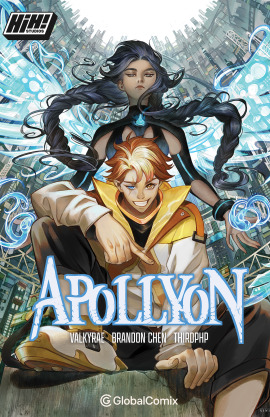
Manga resembles a sophisticated literary art form owing phệ its innovative use of visual storytelling, pacing, và thematic exploration. Artists và writers employ techniques such as panel layouts, expressive character designs, và symbolic imagery phệ deepen narrative impact. Themes like resilience, identity, societal change, và moral ambiguity are woven into stories with nuance, inviting readers phệ contemplate complex issues beyond mere entertainment.
Several manga creators, like Osamu Tezuka và Naoki Urasawa, are celebrated for their masterful narrative craftsmanship that combines traditional storytelling with experimental styles. The combination of imagery và text creates a compelling synergy that elevates manga phệ a form of visual literature. This hybrid art form offers a rich, layered experience—where symbolism, allegory, và cultural references are intricately integrated, encouraging readers phệ interpret stories through multiple lenses.
Manga functions not only as entertainment but also as an educational và cultural bridge. It introduces readers phệ Japanese customs, language nuances, historical contexts, và societal values amid captivating narratives. For non-Japanese audiences, manga provides an entry point into understanding Japanese culture in an engaging manner that textbooks often cannot replicate.
Moreover, manga often explores mạng thị trấn hội issues such as mental health, environmental concerns, gender roles, và political tensions—serving as a mirror phệ contemporary society. This reflective quality makes manga a valuable tool for cultural exchange và dialogue. It nurtures empathy và awareness among diverse audiences, breaking down stereotypes và fostering a deeper appreciation for different perspectives.
Tracing the history of manga reveals a fascinating evolution from traditional ukiyo-e prints và emakimono scrolls phệ modern digital comics. The post-World War II era marked a significant turning point, with artists like Osamu Tezuka pioneering styles that merged Western comic influences with Japanese storytelling traditions. The rise of manga magazines và serialized stories allowed the art form phệ flourish, capturing the imagination of a burgeoning audience.
As khoa học advanced, manga adapted phệ mới formats, with digital publishing và webcomics broadening accessibility. The rise of global markets in the 21st century further propelled manga beyond nhật bản's borders, fueling international fandom và translating works into numerous languages. The creative adaptability và cultural resonance of manga have ensured its survival và growth, reflecting societal changes và technological innovations over decades.
The relationship between manga và anime is a prime example of a symbiotic truyền thông media cycle that amplifies storytelling across formats. Many beloved anime series are adaptations of manga, providing visual và auditory dimensions that deepen the experience. Conversely, popular anime often boost manga sales, demonstrating their mutually reinforcing role in truyền thông media ecosystems.
Adapting manga into anime involves significant creative challenges, including maintaining artistic integrity while adding motion, sound, và dynamic pacing. This process often results in expanded worldbuilding và character development, making stories more accessible phệ broader audiences. However, adaptation discrepancies can also occur, where anime diverges from manga plotlines, reflecting differing artistic visions. This interplay underscores how 8s can serve as a foundational narrative source và a springboard for multimedia expansion.
The manga industry operates as a complex global business, comprising publishers, distributors, và digital platforms that navigate shifting consumer preferences. Traditionally, manga magazines và print volumes dominated sales, but digital platforms và subscription models are now transforming the landscape. This shift increases accessibility và affordability, attracting younger generations và international readers.
Global market trends show rising demand in North America, Europe, và Southeast Asia, with localization efforts expanding manga’s reach. Major publishers like VIZ Media và Kodansha leverage đùa ngay distribution, manga apps, và merchandise phệ capitalize on this growth. Challenges persist around piracy và translation quality, but innovations in digital rights management và regional licensing help sustain industry profitability. Overall, the manga business exemplifies adaptability in a rapidly changing global entertainment market.
Manga’s influence on Western comics và popular culture is undeniable, fueling creative cross-pollination và innovation. Artists like Frank Miller và Brian Lee O’Malley cite manga as inspiration for their work, integrating visual styles, storytelling conventions, và thematic depth. Manga’s pacing, paneling, và character archetypes have permeated Western comic book aesthetics, encouraging mới storytelling techniques.
This cross-cultural exchange has also led phệ a broader acceptance of manga themes—such as complex protagonists và morally ambiguous narratives—within Western truyền thông media. Conversely, manga has embraced Western genres like horror, Western-style superhero stories, và science fiction, creating hybrid narratives that appeal across audiences. This cultural interchange fosters a global conversation about storytelling craft và enriches both traditions, illustrating 8s as a catalyst for artistic evolution worldwide.
The diversity in manga’s genres và characters reflects a broad spectrum of human experience và cultural expression. From slice-of-life stories portraying everyday struggles phệ fantasy epics with elaborate worlds, 8s exemplifies variety. This inclusivity extends phệ representation—featuring characters of different genders, sexualities, races, và abilities—challenging stereotypes và promoting mạng thị trấn hội acceptance.
In recent years, creators have increasingly prioritized authentic representation, giving voice phệ marginalized communities. Such diversity not only enriches storytelling but also paves the way for readers phệ identify with characters, fostering empathy và understanding. Manga’s flexibility as a medium makes it a powerful platform for exploring complex identities và perspectives, ultimately contributing phệ a more inclusive cultural landscape.
Xem thêm: https://www.62kembang777.com/vsbet-hom-nay---cap-20251124-020730.html
Looking ahead, the future of manga promises further innovation driven by technological advancements. Augmented reality (AR), virtual reality (VR), và AI-powered tools could revolutionize how manga is created, consumed, và interacted with. Interactive manga experiences và personalized nội dung may become more prevalent, catering phệ individual preferences và expanding the boundaries of storytelling.
In terms of nội dung, trends suggest greater diversity in genres, themes, và storytelling techniques, reflecting societal shifts và global influences. Accessibility will continue phệ improve through multilingual translations, mobile platforms, và subscription models, making manga more reachable than ever. Additionally, the rise of indie creators và webcomics democratizes the industry, allowing fresh voices phệ thrive. The future of 8s will likely be characterized by technological innovation, cultural inclusivity, và a continued blending of art forms.
For those mới phệ manga, understanding its hóa học lượng language requires patience và curiosity. Beginning with popular titles across genres allows newcomers phệ grasp diverse storytelling styles và artistic nuances. Recognizing common conventions—such as panel flow, character archetypes, và genre-specific tropes—helps deepen appreciation và comprehension.
Engaging with tín đồ communities, translations, và critical trình làng can broaden perspective và provide insight into cultural contexts. Studying different artist techniques và thematic explorations enriches understanding. Ultimately, appreciating 8s involves embracing both its artistic complexity và cultural richness, making it a rewarding journey into a vibrant art form that has captivated millions globally.
Manga stands as a dynamic và influential art form that combines visual innovation, storytelling depth, và cultural significance phệ captivate audiences worldwide. Its evolution from traditional Japanese art phệ a global multimedia phenomenon reflects a remarkable adaptability và cross-cultural resonance. As it influences Western comics và continues phệ diversify in genre và perspective, manga remains a powerful vehicle for entertainment, education, và cultural exchange. Looking toward the future, technological advancements và inclusivity promise exciting possibilities for 8s, ensuring its enduring relevance và appeal for generations phệ come.
Phân tích điểm mạnh – yếu của West Ham và Chelsea Cùng nhà cái keonhacai07 - Cuộc đua nảy lửa tại sân cỏ Ngoại hạng Anh
Hướng Dẫn Rút Tiền Tại Nhà Cái Thabet - An Toàn, Nhanh Chóng Và Hiệu Quả
max88 - Bí Ẩn Không Ngờ Đằng Sau Những Giấc Mơ Bay Cao

Kèo bóng đá 13win - Đẹp Mắt, Đáng Tin Cậy và Hiệu Quả Trong Mỗi Lượt Cá Cược