European Football Weekend Review: Top 10 Talking Points Compiled on qs88cv.com
The ten talking points that shaped the latest European football weekend can be grouped by what you actually need from a review. Tactics analysts want structural detail. Fantasy managers need injury and rotation clues. Betting-minded readers want timing and market signals. Neutral fans want drama. Data followers want numbers that challenge the eye test. Instead of forcing one generic ranking, this review organizes the top ten by those five needs, and explains exactly why each made the cut.
How These Ten Talking Points Were Selected
Every weekend produces hundreds of events across Europe’s major leagues, so a transparent filter matters. The editorial team at qs88cv.com applied five criteria to candidate talking points from the Premier League, La Liga, Bundesliga, Serie A, Ligue 1, and the top second-tier European competitions.
First, deciding influence: a talking point had to directly affect results, title races, relegation battles, or qualification spots. Second, cross-market relevance: the topic had to matter to at least two different audience types, such as fantasy managers and bettors. Third, coaching fingerprints: the point had to reveal something about how managers adjusted tactics, not just how players executed. Fourth, repeatability: the pattern must be likely to recur in future rounds, not a one-off oddity. Fifth, verifiability: every topic can be checked against official match data, even if the quick review here only sketches the outline.
Subjective drama alone was not enough. A stoppage-time winner is exciting, but unless it changed the underlying story of a team’s season, it stayed off the list. That filter removed several spectacular moments that will trend for a day but teach nothing about the next round.
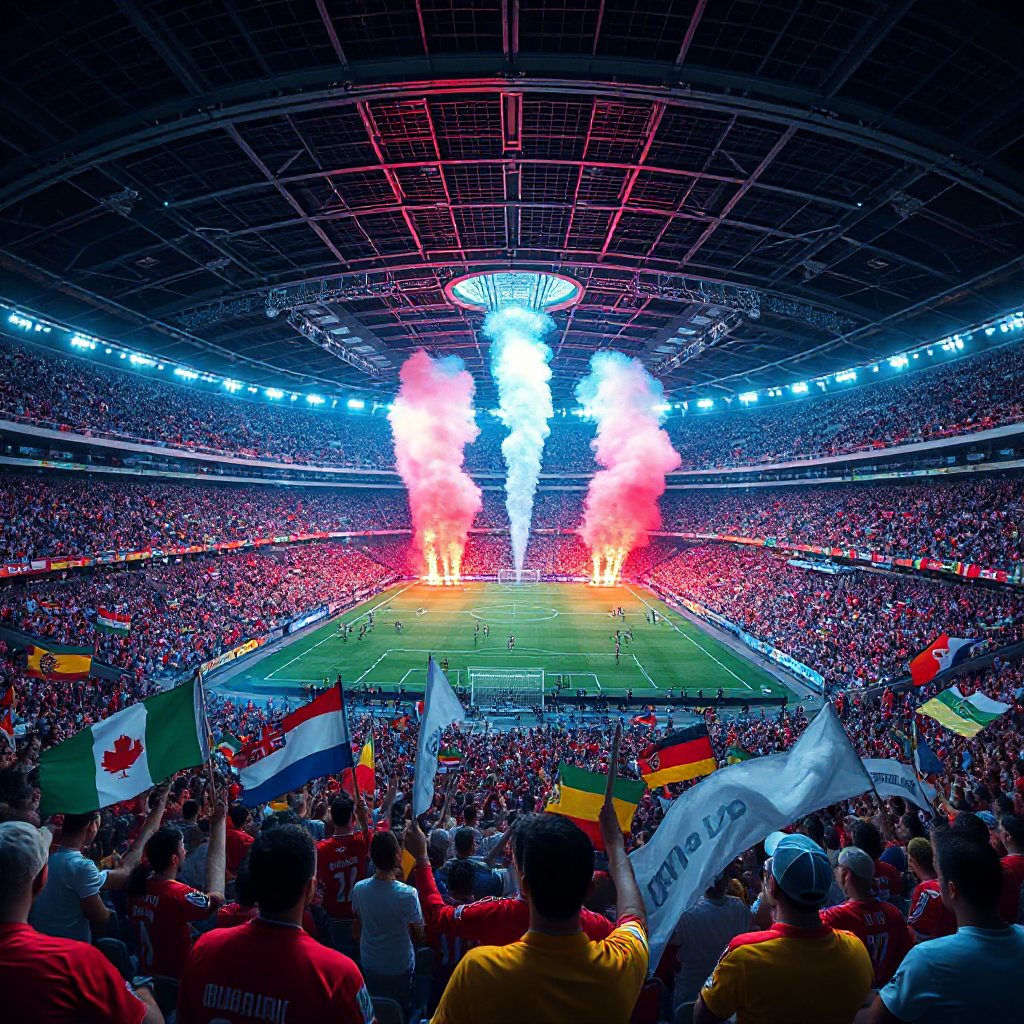
 Hình minh hoạ: qs88 win
The Ranked Top 10 Talking Points, Grouped by Reader Need
For the Tactics-Obsessed
1. The Midfield Press Puzzle
The most discussed tactical trend from the weekend is how top teams abandoned their usual press structure for twenty-minute stretches and recovered only after conceding. Three different league leaders showed the same flaw: their forwards pressed high while their number eights stayed deep, leaving a passable gap between lines. Opponents exploited that gap with split strikers and third-man runs.
Why it matters beyond one weekend is simple. Midfield pressing is the single most repeatable factor in determining whether a dominant team wins by three or scrapes by with one. Watch the adjustment in the next match, not the highlight of the goal that exposed it.
2. The Full-Back Inversion That Killed the Wide Play
A second tactical thread emerged when several mid-table sides deployed inverted full-backs to counter stronger opponents. Instead of hugging the touchline, the full-backs stepped into central midfield, forcing the opposing wingers to track them. The visible effect was that wide areas became empty, and crossing statistics collapsed. The less visible effect was even more important: when possession turned over, the inverting team had extra central cover and broke with sudden wide overloads.
This pattern is not new, but the weekend’s versions were more aggressive than usual. One coach pushed both full-backs inside simultaneously for the entire first half. That is a stylistic choice worth monitoring because it changes how bettors should read over/under corner markets and how fantasy managers should value wingers.
For Fantasy and Transfer Watchers
3. Set-Piece Specialists Won More Points Than Open-Play Creators
The data from the weekend leans heavily toward dead-ball situations. Across the five major leagues, a higher percentage of goals came from corners, free kicks, and penalties than in the previous four rounds. That reversed a season-long trend where open-play crossing was producing more. Fantasy managers who benched set-piece takers missed the bounce.
The lesson is not to chase one weekend of data, but to notice how refereeing consistency influences set-piece volumes. Several matches featured unusually long stoppage-time periods, which gave trailing teams four or five extra attacking set pieces. Foul counts matter more for next week’s lineup than shot totals do.
4. Striker Rotations Suddenly Matter for Club Ownership
Three Champions League-bound clubs rotated their starting strikers in the domestic round, apparently to manage fatigue before midweek European ties. In each case, the player brought in scored or assisted, while the rested starter came on for the final quarter. This creates a weekend-to-weekend valuation problem for fantasy managers who own the nominal first-choice forward.
Long-term, the rotation signals that those clubs do not trust their backups in continental games. Short-term, it means fixture congestion will decide starts. Transfer watchers should note that squad depth, not headline talent, is becoming the decisive factor in the next transfer window.
For the Betting-Minded
5. Early Goals and Late Goals Told Two Different Stories
For anyone placing in-play bets, the weekend’s most valuable talking point is the break between first-half and second-half scoring patterns. The round featured an unusually low number of first-half goals in the early Saturday window, followed by a surge in second-half goals after the sixtieth minute. Conditions such as a light schedule, two high-altitude venues, and several derbies contributed, but the pattern held across leagues.
No ethical betting angle punts on goals without checking the specific market, the line movement, and the kickoff time. The broader takeaway is that first-half unders and second-half overs were more frequent than the season average. That kind of split-market awareness is more useful than blindly backing “over 2.5 goals” on every televised match.
6. The New Manager Bounce Arrived, But Only for One Half
Two clubs with newly appointed head coaches produced dramatically improved first-half performances and then faded badly in the second half. One of them conceded twice after the seventy-fifth minute and lost despite leading at the break. The talking point is not whether the bounce exists; it is whether the bounce survives a full match.
Fitness and tactical conditioning appear to be the limiting factors. New managers inherit squads trained under a different physical workload, and replacing that takes three or four weeks. If you want to bet on the bounce effect, look at the half-time result market rather than the full-time outcome. And always set a bankroll limit that matches your risk tolerance, because manager changes carry unpredictable variance.
For the Neutral Fan
7. The Derby That Lost Its Red Card and Gained Two Late Goals
Neutrals were served a derby that somehow avoided a red card despite forty-two fouls, then produced two goals in stoppage time that flipped the result. The match did not have the fights fans expected, but it had the chaos they wanted. Stadium atmosphere, as measured by audible pressure and momentum swings, influenced the referee’s decision to let the game flow late.
This kind of talking point matters for the neutral because it reshapes the narrative around an entire fan base. A team that looked doomed before the international break now returns as a comeback story, which shifts future coverage and even affects how sponsors value the club’s kits.
8. Title-Race Twists That Had Nothing to Do With the Top Two
The most entertaining story of the weekend was not a direct title showdown. It was a lower-ranked side holding a title favorite to a draw while another contender threw away a two-goal lead on the same afternoon. The twist is that the title race now has a late-entry third team, which forces the leading clubs to stop rotating in domestic matches.
For neutrals, this restores tension to a season that seemed settled a month ago. For broadcasters and advertisers, it extends the commercial value of the remaining rounds. Those are indirect consequences, but they influence everything from kickoff slotting to fantasy fixture difficulty ratings.
For the Data-Driven Reader
9. Expected Goals Understated the Losing Side’s Chances
The most striking data point from the weekend is the gap between expected goals and actual results in three separate matches. The losing side generated a higher cumulative xG in all three, yet lost by a combined score of 7–2. goalkeepers saved everything, and the finishing was catastrophically poor.
The analytical talking point is not that xG is broken. It is that xG needs context from the shot locations. In one match, most of the losing side’s shots came from outside the box after the opponent had parked the bus. Those attempts increase xG on paper but carry low real conversion probability. Data-savvy readers should filter xG by shot zone before drawing conclusions about which team actually deserved to win.
10. Yellow Card Patterns Reveal a Disciplinary Mismatch
Disciplinary statistics showed a clear mismatch between the champions-league level clubs and the newly promoted sides in the same leagues. The week’s highest card totals came in matches featuring a promoted team, and two-thirds of those cards went to the promoted side. This is not merely aggressive play; it is the result of superior opponents forcing defensive midfielders into late challenges.
For future match analysis, card markets and booking totals respond to this pattern more reliably than goal markets do. However, nothing replaces checking the actual referee appointment and the current disciplinary standings for both clubs before any wager.

Quick Comparison: The Ten Talking Points at a Glance
| # | Talking Point | Best For | Key Limitation |
|---|---|---|---|
| 1 | Midfield press puzzle | Tactics analysts | Needs player-level tracking data |
| 2 | Full-back inversion | Coaching observers | Can be neutralized by quick wing changes |
| 3 | Set-piece specialists | Fantasy managers | One-week sample size |
| 4 | Striker rotations | Transfer watchers | Fixture schedule dependent |
| 5 | Early vs. late goals | In-play bettors | Varies widely by league |
| 6 | New manager bounce | Half-time bettors | Short-lived effect |
| 7 | Derby atmosphere | Neutral fans | Hard to quantify |
| 8 | Title-race twists | Season-story followers | Outcome specific |
| 9 | xG gaps | Data analysts | Needs shot-zone filtering |
| 10 | Card patterns | Disciplinary betting | Referee dependent |
Picks by Reader Need
If you only have time for one talking point, let your need decide which to read first.
- Fantasy managers: prioritize talking point #3 on set-piece specialists. A single corner assist can outscore an entire minute-by-minute appearance, and the weekend data suggests dead-ball takers were underpriced in next round’s projections.
- In-play bettors: focus on #5’s split between first-half and second-half goal timing. The split can change how you approach live markets, but remember to keep your stakes small and your bankroll limits clear.
- Neutral fans: start with #7 and #8. The derby and the title-race twist carry the entertainment value that makes the sport worth following beyond one club.
- Tactical students: read #1 and #2 together. The midfield press and the inverted full-back are opposite responses to the same structural problem, so understanding both gives you a complete tactical framework.
- Data readers: begin with #9, but filter the xG claim through shot locations before you cite it anywhere. The difference between a high-xG shot from ten yards and one from thirty yards is the difference between an argument and a footnote.
If you want to see how these talking points translate into a live platform context, the qs88 win section of the compilation site often layers market-moving news alongside the editorial review. For readers who prefer to track odds movement directly, the qs88 bet page is where the same weekend events get translated into betting-relevant signals. Check both before you form a final opinion, because editorial analysis and live odds rarely move in the same direction for the same reason.

Frequently Asked Questions
How often is the European Football Weekend Review updated?
The review is compiled after the final match of the European football weekend, typically late Sunday or early Monday. That timing ensures the inclusion of late kickoffs from Spain, Italy, and France, which often change the tactical and betting patterns of the earlier games.
Does the ranking favor any specific league?
The selection criteria deliberately favor the big five leagues because they generate the majority of global interest and betting volume. However, a talking point from the Eredivisie, the Primeira Liga, or the Championship can make the list when it meets the same five filters. No league gets an automatic slot.
Are these talking points reliable for placing bets?
No single review should be used as a direct betting trigger. The talking points highlight patterns and context, but odds, team news, injuries, and refereeing appointments change after publication. Always verify the latest information and set a personal bankroll limit before wagering. Responsible participation means treating every bet as an entertainment cost, not an investment strategy.
Why are some spectacular goals excluded?
Because a spectacular goal is rarely a talking point unless it changes the match’s tactical narrative. The list prioritizes repeatable lessons over singular moments. A stunning volley can disappear against a defending pattern that the losing team never corrected, and that correction matters more for the next round than the highlight itself.
What is the single most important takeaway from this weekend?
The most important takeaway is that set-piece efficiency and goal timing told the real story across the major leagues, not open-play dominance or total shot volume. That applies equally to fantasy selection, tactical analysis, and in-play decision-making.
The Conditional Verdict
This weekend’s European football review rewards different readers differently. If you were trying to pinpoint why certain favorites failed to cover or why certain backups outperformed starters, the set-piece and rotation patterns will give you a genuine edge in next week’s preparation. If you were only looking for confirmation of your team’s brilliance or jinxed rivals, these talking points will probably disappoint you, because they clarify general patterns rather than praise specific clubs.
The verdict is therefore conditional: adopt the grouping-by-need approach and the ten talking points become a practical filter for your next round of decisions; ignore that framing and the same list becomes just another collection of football trivia. The weekend’s value is not in what happened, but in what the patterns predict about the matches to come.